
Table of Contents
- Introduction
- Why Conference Catering Needs A Different Approach
- Build The Menu Around The Conference Schedule
- Plan Registration-Time Refreshments
- Make Coffee Breaks Easy To Access
- Design A Lunch That Keeps The Event Moving
- Plan For Different Dietary Requirements
- Use Food To Support Networking
- Work With The Conference Venue
- Coordinate Catering With The Event Team
- Avoid Common Conference Catering Mistakes
- Conclusion
- FAQs
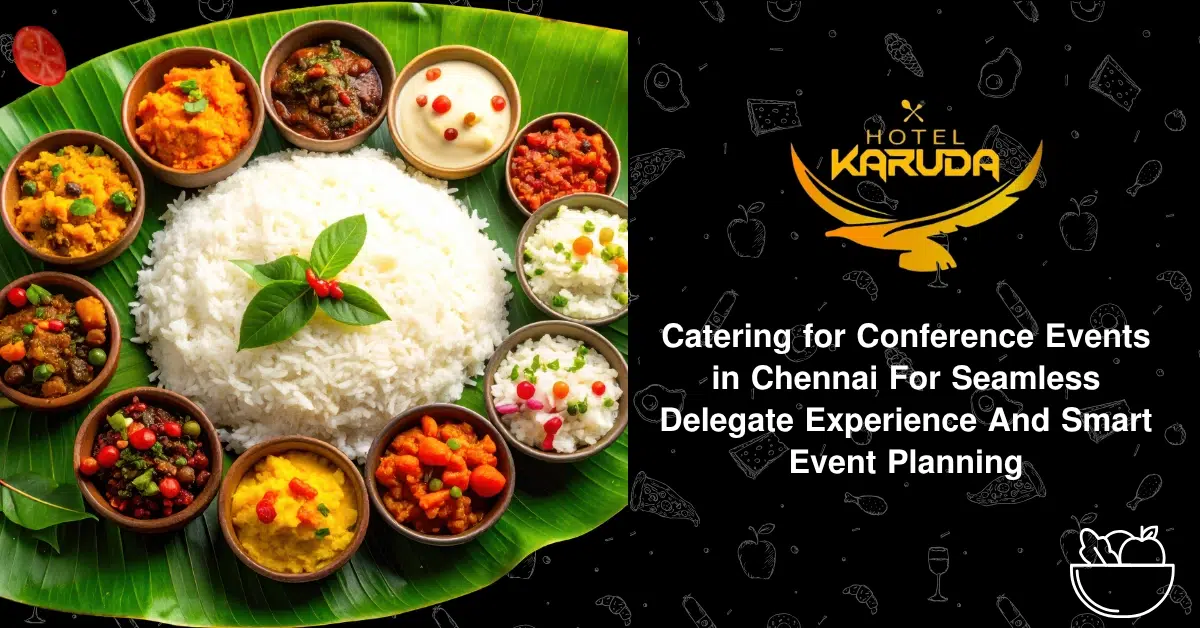
𝗖𝗮𝘁𝗲𝗿𝗶𝗻𝗴 𝗳𝗼𝗿 𝗖𝗼𝗻𝗳𝗲𝗿𝗲𝗻𝗰𝗲 𝗘𝘃𝗲𝗻𝘁𝘀 𝗶𝗻 𝗖𝗵𝗲𝗻𝗻𝗮𝗶 𝗙𝗼𝗿 𝗦𝗲𝗮𝗺𝗹𝗲𝘀𝘀 𝗗𝗲𝗹𝗲𝗴𝗮𝘁𝗲 𝗘𝘅𝗽𝗲𝗿𝗶𝗲𝗻𝗰𝗲 𝗔𝗻𝗱 𝗦𝗺𝗮𝗿𝘁 𝗘𝘃𝗲𝗻𝘁 𝗣𝗹𝗮𝗻𝗻𝗶𝗻𝗴
𝗜𝗻𝘁𝗿𝗼𝗱𝘂𝗰𝘁𝗶𝗼𝗻
A conference can have an impressive venue, experienced speakers and a carefully prepared agenda, but small food-service delays can still affect the overall experience. When hundreds of delegates leave a session at the same time, even a few minutes of confusion around refreshments or lunch can create unnecessary queues.
Catering for Conference Events in Chennai needs to work alongside the event programme rather than operate separately from it. Delegates may arrive at different times, sessions may run according to a fixed schedule and meal breaks may be short. Food therefore needs to be accessible, practical and properly timed.
The right catering plan considers more than the menu. It connects registration, networking, session breaks, lunch, beverages, dietary requirements, venue restrictions and guest movement into one coordinated experience.
𝗪𝗵𝘆 𝗖𝗼𝗻𝗳𝗲𝗿𝗲𝗻𝗰𝗲 𝗖𝗮𝘁𝗲𝗿𝗶𝗻𝗴 𝗡𝗲𝗲𝗱𝘀 𝗔 𝗗𝗶𝗳𝗳𝗲𝗿𝗲𝗻𝘁 𝗔𝗽𝗽𝗿𝗼𝗮𝗰𝗵
Conference guests do not always behave like guests at a private celebration. They may be attending presentations, meeting clients, visiting exhibition areas or moving between different sessions.
This means food service has to fit into the rhythm of the event.
A conference may require an early welcome beverage, morning refreshments, lunch, afternoon snacks and continuous access to water. Each service has a different purpose and timing requirement.
For a business conference, the organiser should therefore share the complete agenda with the caterer. Knowing when delegates enter the venue, when sessions end and when breaks begin helps the catering team prepare food and staff at the correct times.
For organisations planning a larger professional gathering, corporate catering can be arranged around the complete event schedule rather than treating each meal as a separate activity.
𝗕𝘂𝗶𝗹𝗱 𝗧𝗵𝗲 𝗠𝗲𝗻𝘂 𝗔𝗿𝗼𝘂𝗻𝗱 𝗧𝗵𝗲 𝗖𝗼𝗻𝗳𝗲𝗿𝗲𝗻𝗰𝗲 𝗦𝗰𝗵𝗲𝗱𝘂𝗹𝗲
The conference agenda should influence the food plan from the beginning.
If registration starts early, delegates may need a light breakfast or welcome beverage before the first session. If the programme continues through midday, lunch needs to be substantial enough to serve as a proper meal without taking too long.
Afternoon sessions may benefit from lighter refreshments rather than another heavy meal.
The menu should also match the formality of the conference. A professional business gathering may require a polished presentation, while an internal company conference may focus more heavily on convenience and efficiency.
Instead of selecting dishes first and trying to fit them into the timetable later, it is more practical to build the food schedule alongside the event agenda.
𝗣𝗹𝗮𝗻 𝗥𝗲𝗴𝗶𝘀𝘁𝗿𝗮𝘁𝗶𝗼𝗻-𝗧𝗶𝗺𝗲 𝗥𝗲𝗳𝗿𝗲𝘀𝗵𝗺𝗲𝗻𝘁𝘀
Registration is often the first point where delegates interact with the event environment.
Offering water, tea, coffee or a light welcome refreshment can make the waiting period more comfortable, particularly when attendees arrive early.
The beverage station should not block the registration desk. Guests collecting badges, event kits or documents need enough space to move without crossing through a crowded food area.
If the conference expects guests to arrive over an extended period, refreshments can be made available for longer rather than preparing one short serving window.
This small planning detail can make the arrival experience much smoother.
𝗠𝗮𝗸𝗲 𝗖𝗼𝗳𝗳𝗲𝗲 𝗕𝗿𝗲𝗮𝗸𝘀 𝗘𝗮𝘀𝘆 𝗧𝗼 𝗔𝗰𝗰𝗲𝘀𝘀
A conference coffee break is not simply a chance to serve tea and snacks. It is often the only time delegates have to speak with one another outside the sessions.
The refreshment area should therefore be easy to find and spacious enough for people to move around.
Tea, coffee, water and light snacks can be arranged so that one popular item does not create a bottleneck. If the number of delegates is high, multiple beverage points may be more practical than a single counter.
Snack choices should also be easy to handle. Foods that require complicated serving or create excessive mess may slow down a short break.
The caterer should know exactly how long the break will last so the counters can be prepared before delegates leave the session.
𝗗𝗲𝘀𝗶𝗴𝗻 𝗔 𝗟𝘂𝗻𝗰𝗵 𝗧𝗵𝗮𝘁 𝗞𝗲𝗲𝗽𝘀 𝗧𝗵𝗲 𝗘𝘃𝗲𝗻𝘁 𝗠𝗼𝘃𝗶𝗻𝗴
Lunch is often the largest food service during a full-day conference.
The challenge is to offer enough choice without creating a long queue. A buffet can provide flexibility, but the arrangement needs to be designed around the number of delegates and available serving space.
Frequently selected dishes should be easy to reach. Separate counters or additional serving points may be useful when the delegate count is high.
The menu can include a combination of familiar local dishes and options that suit a wider group of business guests. If the conference attracts delegates from different regions, keeping the menu balanced can help accommodate different preferences.
Lunch should also have enough variety without requiring guests to spend most of their break choosing food.
𝗣𝗹𝗮𝗻 𝗙𝗼𝗿 𝗗𝗶𝗳𝗳𝗲𝗿𝗲𝗻𝘁 𝗗𝗶𝗲𝘁𝗮𝗿𝘆 𝗥𝗲𝗾𝘂𝗶𝗿𝗲𝗺𝗲𝗻𝘁𝘀
A conference audience can be more diverse than a regular office group.
Some delegates may request vegetarian food, while others may have allergies, religious food restrictions or specific dietary preferences. These requirements should be collected during registration whenever possible.
The organiser should provide the catering team with the information before the event rather than expecting last-minute changes.
Clearly identifying special meals can also reduce confusion during service. Delegates should be able to understand which dishes are available to them without repeatedly asking the serving staff.
A small amount of advance planning can prevent an uncomfortable situation during a busy lunch break.
𝗨𝘀𝗲 𝗙𝗼𝗼𝗱 𝗧𝗼 𝗦𝘂𝗽𝗽𝗼𝗿𝘁 𝗡𝗲𝘁𝘄𝗼𝗿𝗸𝗶𝗻𝗴
Food breaks can become valuable networking opportunities when the space is planned properly.
Instead of placing every food counter in one narrow area, the organiser can distribute beverage and snack stations where appropriate. This encourages delegates to move around rather than creating one large crowd.
For conferences where networking is a major objective, standing refreshment areas can work well between sessions. Comfortable placement of tables and beverage points can encourage short conversations without interfering with the main programme.
The catering layout should support the event’s networking goals rather than treating food service as an isolated setup.
𝗪𝗼𝗿𝗸 𝗪𝗶𝘁𝗵 𝗧𝗵𝗲 𝗖𝗼𝗻𝗳𝗲𝗿𝗲𝗻𝗰𝗲 𝗩𝗲𝗻𝘂𝗲
Conference venues often have their own rules regarding food preparation, outside caterers, kitchen access and serving areas.
These conditions should be checked before confirming the catering plan.
The organiser should understand where food can be delivered, where it can be stored, where buffet counters can be placed and whether the catering team has access to water, electricity and service areas.
Loading access and delivery timings can also matter in hotels, convention centres and commercial buildings.
A venue walkthrough with the event organiser and catering team can identify these practical issues before they become problems on the conference day.
𝗖𝗼𝗼𝗿𝗱𝗶𝗻𝗮𝘁𝗲 𝗖𝗮𝘁𝗲𝗿𝗶𝗻𝗴 𝗪𝗶𝘁𝗵 𝗧𝗵𝗲 𝗘𝘃𝗲𝗻𝘁 𝗧𝗲𝗮𝗺
The catering team should not have to guess when a session will end or when the next break begins.
One event coordinator should share the latest conference schedule with the caterer and communicate any changes.
If a keynote session runs longer than expected, the catering team should know how to adjust the food service without leaving delegates waiting unnecessarily.
Similarly, if a session ends early, the team should be prepared for guests to arrive at the refreshment area sooner than originally planned.
This level of coordination is particularly important for conferences with several parallel sessions.
𝗔𝘃𝗼𝗶𝗱 𝗖𝗼𝗺𝗺𝗼𝗻 𝗖𝗼𝗻𝗳𝗲𝗿𝗲𝗻𝗰𝗲 𝗖𝗮𝘁𝗲𝗿𝗶𝗻𝗴 𝗠𝗶𝘀𝘁𝗮𝗸𝗲𝘀
One common mistake is planning the menu without looking at the event timetable. Even a good menu can become difficult to serve if the break is too short.
Another problem is using a single food counter for a large number of delegates. This can create unnecessary queues and reduce networking time.
Ignoring dietary information is another avoidable issue. Special requirements should be collected before the event rather than handled only when guests reach the buffet.
Organisers should also avoid assuming that the venue will automatically provide everything required for catering. Equipment, tables, power access, water and cleaning arrangements should be confirmed in advance.
Finally, the catering quotation should be checked carefully. Delivery, staffing, setup, beverages, equipment and cleaning may not always be included in the same package.
𝗣𝗹𝗮𝗻 𝗧𝗵𝗲 𝗘𝘃𝗲𝗻𝘁 𝗙𝗼𝗼𝗱 𝗙𝗹𝗼𝘄 𝗕𝗲𝗳𝗼𝗿𝗲 𝗧𝗵𝗲 𝗖𝗼𝗻𝗳𝗲𝗿𝗲𝗻𝗰𝗲 𝗗𝗮𝘆
A useful way to prepare is to imagine the conference from a delegate’s point of view.
Where will they get their first beverage? How will they find the coffee station? How long might lunch take? Where will they sit? How will special meals be identified? What happens if several hundred people leave the hall simultaneously?
Answering these questions before the event makes it easier to identify potential bottlenecks.
The catering team can then position counters, assign staff and prepare food according to the expected movement of delegates.
This approach creates a food service that feels almost invisible to the attendee because everything is ready when it is needed.
𝗖𝗵𝗼𝗼𝘀𝗲 𝗔 𝗖𝗮𝘁𝗲𝗿𝗶𝗻𝗴 𝗣𝗮𝗿𝘁𝗻𝗲𝗿 𝗪𝗵𝗼 𝗨𝗻𝗱𝗲𝗿𝘀𝘁𝗮𝗻𝗱𝘀 𝗖𝗼𝗻𝗳𝗲𝗿𝗲𝗻𝗰𝗲𝘀
Conference catering involves several moving parts, so the caterer should understand more than food preparation.
Before booking, discuss the number of delegates, event schedule, meal periods, venue, menu preferences, dietary requirements and serving format.
Ask how the caterer will handle multiple break periods and whether additional staff or service points are required for a large audience.
It is also useful to confirm the setup and dismantling schedule. The catering team may need access to the venue before delegates arrive and enough time to clear the food area after service.
A clear plan helps both the organiser and caterer understand their responsibilities before the event begins.
𝗖𝗼𝗻𝗰𝗹𝘂𝘀𝗶𝗼𝗻
Catering for Conference Events in Chennai should be planned as part of the event experience rather than as a separate food arrangement.
The conference schedule, delegate movement, refreshment breaks, lunch timing, dietary requirements and venue restrictions all influence how the catering should be designed.
A practical menu is important, but timing and service flow can be equally valuable. When food is ready at the right moment, queues are controlled and special requirements are handled properly, delegates can concentrate on the conference instead of worrying about the next meal.
For organisers, the key is to share the complete event plan with the catering team early and build the food service around the actual movement of people throughout the day.
Need Catering Support for Your Office Meetings?
Contact Karuda Hospitality today for premium corporate catering services in Tambaram.
FAQs
What food is suitable for a conference event?
A conference menu can include welcome beverages, light snacks, tea, coffee, lunch and afternoon refreshments. The selection should match the event schedule and delegate preferences.
How can conference organisers reduce lunch queues?
Multiple serving points, suitable buffet layouts and properly assigned serving staff can help delegates move through lunch more efficiently.
Should dietary requirements be collected before a conference?
Yes. Collecting dietary information during registration or before the event gives the catering team enough time to prepare suitable meals.
How important is timing in conference catering?
Timing is critical because meals and refreshments usually need to fit within short breaks between scheduled sessions.
Can catering support conference networking?
Yes. Strategically placed beverage and snack stations can encourage delegates to interact during breaks without creating unnecessary crowding.
What should be checked with the conference venue?
Organisers should confirm kitchen access, delivery procedures, food storage, electricity, water, serving areas, venue rules and cleaning arrangements.
What should I ask a conference caterer before booking?
Discuss the delegate count, event schedule, menu, break timings, dietary requirements, serving format, staffing, equipment, setup and venue access.
Hotel Karuda
For Booking
Contact
+91 80562 78333, +91 99402 85404
No. 3, vaithiyalingam salai,
Bharathiyar Nagar,
Rajendran Nagar,
Neelankarai,
Chennai – 600115
