
Table of Contents
- Introduction
- Why Banana Leaf Dining Remains Popular
- What Makes a Good Banana Leaf
- Planning the Menu Around Leaf Service
- Why Serving Order Matters
- Making the Dining Experience Comfortable
- Planning Food Quantity
- Preparing the Dining Area
- Hygiene and Food Handling
- Managing Used Leaves Responsibly
- Common Banana Leaf Catering Mistakes
- Choosing the Right Catering Team
- Conclusion
- FAQs
𝗕𝗮𝗻𝗮𝗻𝗮 𝗟𝗲𝗮𝗳 𝗖𝗮𝘁𝗲𝗿𝗶𝗻𝗴 𝗖𝗵𝗲𝗻𝗻𝗮𝗶
𝗜𝗻𝘁𝗿𝗼𝗱𝘂𝗰𝘁𝗶𝗼𝗻
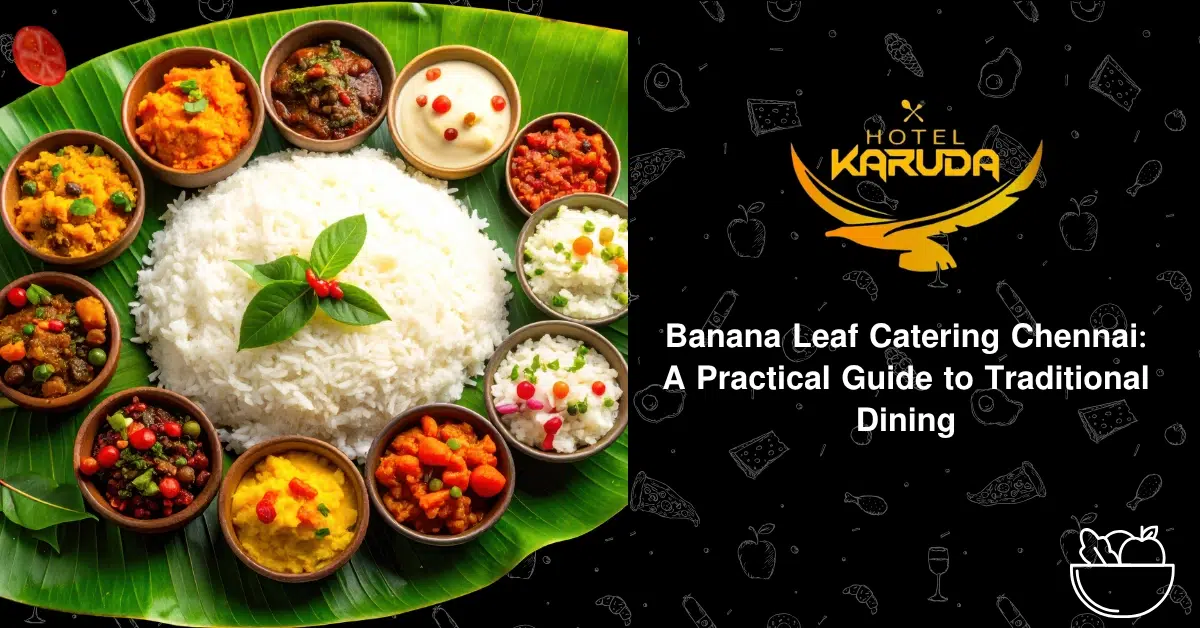
A traditional South Indian meal has a character of its own, and serving food on a fresh banana leaf is an important part of that experience. The leaf creates a familiar dining setting while allowing a complete meal to be arranged in a simple, natural format.
For many families in Chennai, banana leaf meals remain a preferred choice for weddings, family gatherings, religious functions, community meals and other occasions where traditional food service is important.
But a successful banana leaf meal involves more than placing leaves on tables. The quality of the leaves, dining layout, food sequence, serving staff, portion planning and clearing process all influence the experience.
That is why choosing professional 𝗕𝗮𝗻𝗮𝗻𝗮 𝗟𝗲𝗮𝗳 𝗖𝗮𝘁𝗲𝗿𝗶𝗻𝗴 𝗖𝗵𝗲𝗻𝗻𝗮𝗶 services can help hosts manage a traditional meal without having to coordinate every serving detail themselves.
𝗪𝗵𝘆 𝗕𝗮𝗻𝗮𝗻𝗮 𝗟𝗲𝗮𝗳 𝗗𝗶𝗻𝗶𝗻𝗴 𝗥𝗲𝗺𝗮𝗶𝗻𝘀 𝗣𝗼𝗽𝘂𝗹𝗮𝗿
Banana leaf dining offers a combination of tradition, simplicity and visual appeal.
The leaf itself becomes part of the meal presentation. Different dishes can be arranged across the leaf, creating a familiar South Indian serving pattern.
It is also convenient for functions where a large number of people need to be served within a limited period. Once guests are seated, trained servers can move from one table to another and distribute the dishes according to the planned sequence.
For traditional gatherings, this style can also create a stronger connection with family customs.
Another practical advantage is that banana leaves do not require washing like reusable dining plates. After the meal, the used leaves can be collected and handled separately.
𝗪𝗵𝗮𝘁 𝗠𝗮𝗸𝗲𝘀 𝗔 𝗚𝗼𝗼𝗱 𝗕𝗮𝗻𝗮𝗻𝗮 𝗟𝗲𝗮𝗳
The leaf is the dining surface, so its condition matters.
A suitable serving leaf should be reasonably fresh, clean and large enough to accommodate the planned meal. Damaged or excessively dry leaves can make serving uncomfortable.
Leaves should be inspected before being placed on tables. They should be cleaned appropriately and arranged in a consistent direction so the dining setup looks organised.
The available leaf size should also match the menu. A large meal with several accompaniments needs sufficient space. A smaller menu may work comfortably with a more compact leaf.
𝗣𝗹𝗮𝗻𝗻𝗶𝗻𝗴 𝗧𝗵𝗲 𝗠𝗲𝗻𝘂 𝗔𝗿𝗼𝘂𝗻𝗱 𝗟𝗲𝗮𝗳 𝗦𝗲𝗿𝘃𝗶𝗰𝗲
A banana leaf meal works best when the dishes complement the serving format.
A traditional menu can include vegetable preparations, kootu, poriyal, pachadi, pickle, appalam, sambar, rasam, rice, curd and dessert. The exact selection can be changed according to the occasion and family preference.
For festive meals, special sweets or payasam can be included.
For breakfast-style service, dishes such as idli, pongal, vada, poori or dosa can be considered along with chutneys and sambar.
The important point is balance. Adding too many side dishes can make the leaf crowded and can also slow down service.
The caterer should know the complete menu before planning the serving sequence because some dishes need to be served earlier while others are best served immediately before or with the main rice course.
𝗪𝗵𝘆 𝗦𝗲𝗿𝘃𝗶𝗻𝗴 𝗢𝗿𝗱𝗲𝗿 𝗠𝗮𝘁𝘁𝗲𝗿𝘀
One of the defining features of traditional banana leaf service is the order in which food reaches the guest.
Side dishes, sweets and accompaniments are generally arranged before the main rice service. Later courses can then be served according to the meal format.
This sequence helps the servers work systematically and prevents guests from receiving every dish at once.
A trained serving team also needs to recognise when guests are ready for the next course. Rushing through the meal can make guests uncomfortable, while excessive delays can reduce the quality of the dining experience.
For larger functions, the serving staff should be divided into clear responsibilities so that one group can focus on particular dishes while others handle replenishment and clearing.
𝗠𝗮𝗸𝗶𝗻𝗴 𝗧𝗵𝗲 𝗗𝗶𝗻𝗶𝗻𝗴 𝗘𝘅𝗽𝗲𝗿𝗶𝗲𝗻𝗰𝗲 𝗖𝗼𝗺𝗳𝗼𝗿𝘁𝗮𝗯𝗹𝗲
The dining arrangement should give guests enough space to sit, eat and interact comfortably.
Tables should not be packed so closely that servers cannot move between them. At the same time, excessive gaps can reduce seating capacity.
Elderly guests may need easier access to chairs and dining areas. Families with young children may benefit from seating that allows parents to assist them.
Water should be easily available without forcing guests to leave their seats repeatedly.
If the function involves a large crowd, a clear entry and exit route can reduce congestion around the dining area.
𝗣𝗹𝗮𝗻𝗻𝗶𝗻𝗴 𝗙𝗼𝗼𝗱 𝗤𝘂𝗮𝗻𝘁𝗶𝘁𝘆
Food quantity should be estimated according to the guest count and menu composition.
Rice requirements will depend on the number of courses and the type of meal. Side dishes may have different consumption patterns. Desserts and special items also need separate planning.
Children may consume smaller quantities, while some adult guests may prefer larger portions.
The caterer should also consider whether guests will be served once or whether additional servings are expected.
Instead of simply preparing the same quantity of every dish, experienced catering teams can allocate preparation according to expected demand.
This approach helps reduce shortages without creating excessive leftover food.
𝗣𝗿𝗲𝗽𝗮𝗿𝗶𝗻𝗴 𝗧𝗵𝗲 𝗗𝗶𝗻𝗶𝗻𝗴 𝗔𝗿𝗲𝗮
The dining space should be ready before guests are called for the meal.
Tables need to be clean and stable. Banana leaves should be positioned consistently, and drinking water should be available.
Serving vessels should be arranged so that catering staff can move efficiently.
If the meal is being served outdoors, the organiser should also consider heat, rain, dust and wind. Food protection and guest comfort become especially important in an open environment.
For indoor venues, ventilation and available space should be reviewed before setting up the dining area.
𝗛𝘆𝗴𝗶𝗲𝗻𝗲 𝗔𝗻𝗱 𝗙𝗼𝗼𝗱 𝗛𝗮𝗻𝗱𝗹𝗶𝗻𝗴
Traditional service should never mean compromising on hygiene.
Banana leaves should be handled cleanly before being placed on dining tables. Food containers and serving utensils should also be kept clean throughout the function.
Serving staff should follow proper hand hygiene and avoid unnecessary contact between food and non-food surfaces.
Hot dishes should be maintained appropriately until they reach the guest. Items that require controlled temperatures should be handled carefully.
The dining area should be checked regularly because spilled food, used leaves and disposable items can quickly make a busy service area untidy.
Clean service is particularly important when a large number of guests are being served continuously.
𝗠𝗮𝗻𝗮𝗴𝗶𝗻𝗴 𝗨𝘀𝗲𝗱 𝗟𝗲𝗮𝘃𝗲𝘀 𝗥𝗲𝘀𝗽𝗼𝗻𝘀𝗶𝗯𝗹𝘆
One practical advantage of banana leaf dining is that the used leaves can be collected after the meal rather than requiring washing like conventional plates.
However, waste management still needs planning.
Used leaves should be cleared systematically so they do not remain around the dining area. Food waste should be separated where practical, and the disposal process should follow the venue’s requirements.
For larger functions, dedicated clearing staff can keep the dining area moving efficiently.
A planned clearing system is especially useful when multiple groups of guests are being seated one after another.
𝗖𝗼𝗺𝗺𝗼𝗻 𝗕𝗮𝗻𝗮𝗻𝗮 𝗟𝗲𝗮𝗳 𝗖𝗮𝘁𝗲𝗿𝗶𝗻𝗴 𝗠𝗶𝘀𝘁𝗮𝗸𝗲𝘀
Using leaves that are too small for the menu can make the entire meal uncomfortable.
Another common problem is placing too many dishes on the leaf at the beginning. Guests may have difficulty finding space for the main course.
Slow serving can also affect the experience. If rice is served long before the accompanying dishes arrive, guests may have to wait.
Insufficient serving staff can create another bottleneck, particularly when hundreds of guests are seated together.
Poor table spacing is equally problematic. Even good food service becomes difficult when staff cannot move freely between tables.
Some organisers also underestimate the importance of clearing used leaves quickly. When one seating finishes, the next group should be able to use the dining area without unnecessary delay.
𝗖𝗵𝗼𝗼𝘀𝗶𝗻𝗴 𝗧𝗵𝗲 𝗥𝗶𝗴𝗵𝘁 𝗖𝗮𝘁𝗲𝗿𝗶𝗻𝗴 𝗧𝗲𝗮𝗺
The quality of a banana leaf meal depends heavily on the serving team.
When selecting a caterer, ask about experience with traditional leaf service, expected guest capacity, number of servers, menu planning and venue requirements.
It is also useful to discuss how the caterer manages multiple dining batches.
If the function has a tight schedule, the catering team should have a clear plan for setting up the leaves, serving food, clearing tables and preparing the next seating.
Karuda Hospitality can plan traditional food service according to the scale and requirements of different functions in Chennai.
𝗕𝘂𝗱𝗴𝗲𝘁 𝗖𝗼𝗻𝘀𝗶𝗱𝗲𝗿𝗮𝘁𝗶𝗼𝗻𝘀
The cost of banana leaf catering depends on several factors rather than the leaf alone.
Menu size, number of guests, number of serving staff, venue location, transportation, equipment and service format can all influence the final quotation.
A larger menu requires additional preparation and serving effort. Multiple dining batches may also require the catering team to remain at the venue for a longer period.
Instead of selecting a caterer based only on the lowest quoted price, families should compare what is included in the service.
Understanding the complete scope can prevent unexpected charges later.
𝗪𝗵𝗲𝗻 𝗕𝗮𝗻𝗮𝗻𝗮 𝗟𝗲𝗮𝗳 𝗦𝗲𝗿𝘃𝗶𝗰𝗲 𝗪𝗼𝗿𝗸𝘀 𝗪𝗲𝗹𝗹
Banana leaf service can suit functions where the family wants a traditional dining experience and a structured meal.
It can work particularly well when guests are comfortable sitting together for a complete meal and the venue has enough space for organised service.
For very small gatherings, the same traditional approach can still be used with a simpler menu and fewer serving staff.
For large gatherings, careful planning becomes more important because the number of leaves, servers, tables and food containers increases significantly.
𝗪𝗵𝘆 𝗣𝗿𝗼𝗽𝗲𝗿 𝗣𝗹𝗮𝗻𝗻𝗶𝗻𝗴 𝗠𝗮𝗸𝗲𝘀 𝗔 𝗗𝗶𝗳𝗳𝗲𝗿𝗲𝗻𝗰𝗲
𝗕𝗮𝗻𝗮𝗻𝗮 𝗟𝗲𝗮𝗳 𝗖𝗮𝘁𝗲𝗿𝗶𝗻𝗴 𝗖𝗵𝗲𝗻𝗻𝗮𝗶 is not simply about placing traditional food on a leaf. It combines menu design, portion control, serving sequence, staff coordination and guest comfort.
A function can have excellent food but still feel disorganised if guests wait too long, serving staff cannot move between tables or used leaves remain uncleared.
When the operational details are planned in advance, the traditional meal becomes more relaxed for both the host and the guests.
𝗖𝗼𝗻𝗰𝗹𝘂𝘀𝗶𝗼𝗻
Banana leaf dining continues to be a meaningful part of traditional South Indian food culture. Its appeal comes from the combination of familiar dishes, structured serving and a distinctly traditional presentation.
For anyone planning 𝗕𝗮𝗻𝗮𝗻𝗮 𝗟𝗲𝗮𝗳 𝗖𝗮𝘁𝗲𝗿𝗶𝗻𝗴 𝗖𝗵𝗲𝗻𝗻𝗮𝗶, the key is to look beyond the menu and plan the complete dining experience.
Good-quality leaves, balanced food, trained servers, comfortable seating, hygienic handling and organised clearing can turn a simple meal into a memorable part of the celebration.
Need Catering Support for Your Office Meetings?
Contact Karuda Hospitality today for premium corporate catering services in Tambaram.
FAQs
What is banana leaf catering?
Banana leaf catering is a traditional South Indian dining service where food is served directly on prepared banana leaves instead of conventional plates.
What food is usually served on a banana leaf?
A traditional meal may include vegetables, kootu, poriyal, pachadi, pickle, appalam, sambar, rasam, rice, curd and desserts such as payasam or other sweets.
Is banana leaf catering suitable for large gatherings?
Yes. With sufficient tables, serving staff, food preparation and a planned seating system, banana leaf service can be organised for large gatherings.
How many dishes should be included in a banana leaf meal?
There is no fixed number. The menu should provide a balanced combination of main dishes, accompaniments and desserts without overcrowding the leaf or slowing service.
Can banana leaf catering be arranged outdoors?
Yes. Outdoor banana leaf service can be arranged when the dining area, weather protection, food handling, seating and waste collection are planned properly.
Is banana leaf catering suitable for elderly guests?
Yes. Comfortable seating, easy access to the dining area and adequate space for serving staff can make the experience convenient for older guests.
How can I arrange banana leaf catering in Chennai?
Share the guest count, venue, preferred menu, meal timing and serving style with a catering team so the leaf service can be planned according to the function.
Hotel Karuda
For Booking
Contact
+91 80562 78333, +91 99402 85404
No. 3, vaithiyalingam salai,
Bharathiyar Nagar,
Rajendran Nagar,
Neelankarai,
Chennai – 600115
